Programming bacteria to detect cancer (and maybe treat it)
TED Talk · Tal Danino · Watch on TED ↗
Our laboratory programs genetic circuitry inside cells to sense and respond to their environments, enabling new approaches to diagnostics and therapeutics. A major focus is engineering bacteria to treat cancer by specifically releasing therapeutic molecules directly within tumors. This localized drug delivery can reduce systemic toxicity while reprogramming the tumor microenvironment. We also develop cooperative therapies that combine engineered bacteria with modalities such as CAR-T cells, oncolytic viruses, and nanoparticles. In parallel, we use time-lapse microscopy, sequencing, and computational approaches to uncover how gene networks behave at the single-cell level and guide the design of next-generation engineered biological systems. Our ultimate goal is to translate these technologies into solutions that benefit patients and advance human and planetary health.
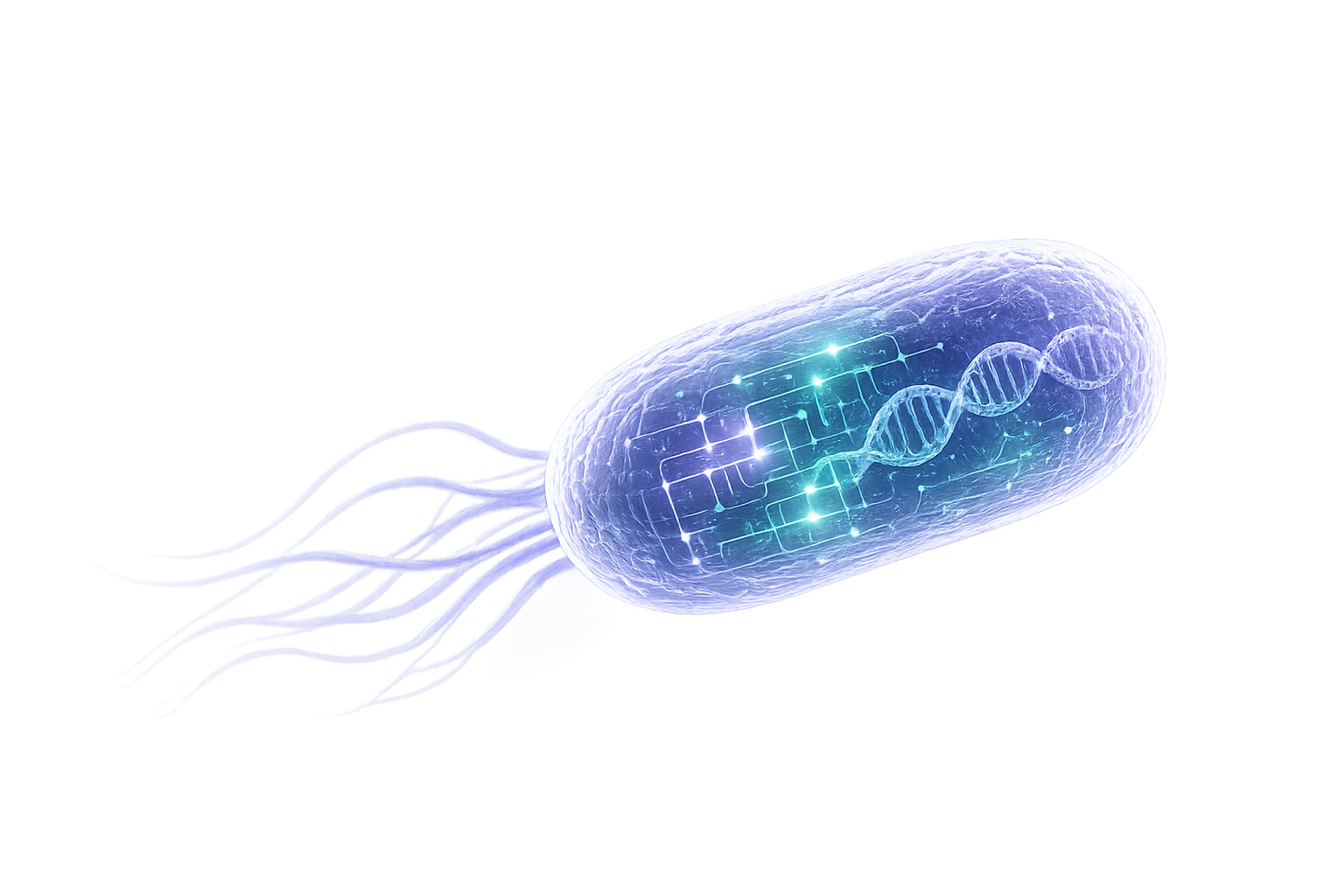
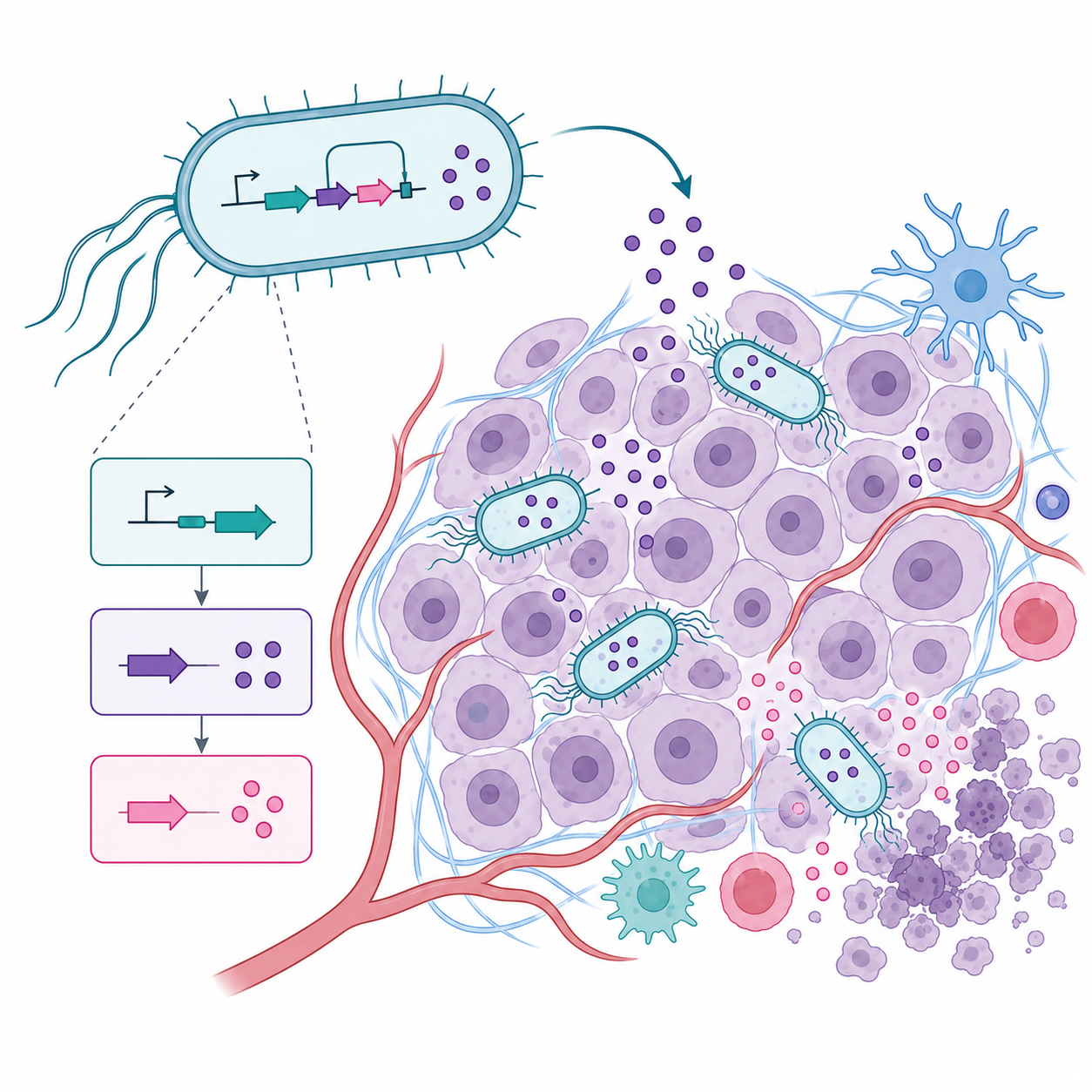
We exploit the natural ability of bacteria to accumulate in solid tumors and engineer them as local delivery vehicles. Our systems have been designed to release checkpoint-blockade nanobodies, tumor neoantigens, cytokines and chemokines, toxins, small molecules, and diagnostics. By concentrating activity within tumors, these approaches aim to achieve potent local treatment while limiting exposure to healthy tissue.
Representative publications
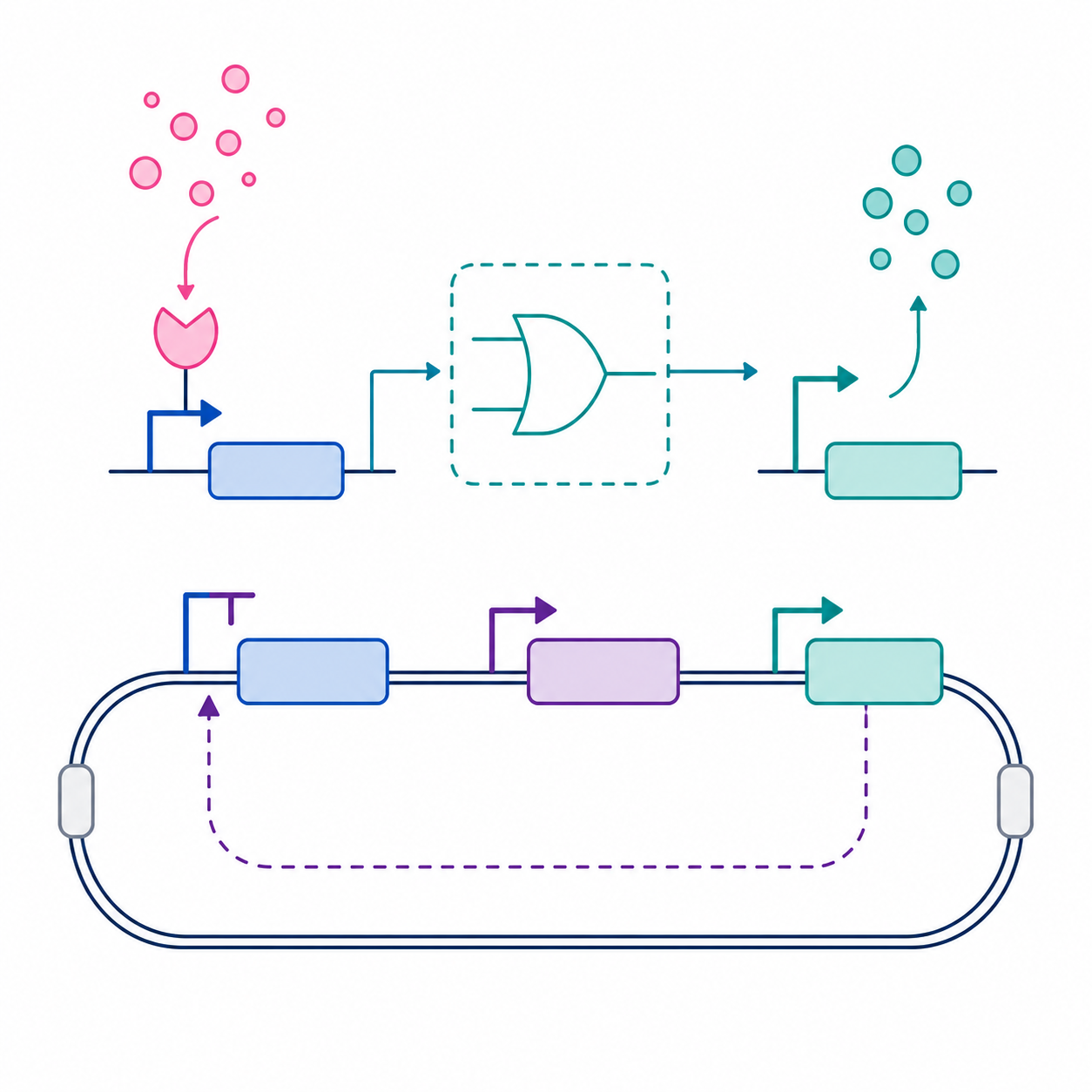
We build gene circuits that control when, where, and how microbes act. Our work includes biosensors that change bacterial tropism in response to environmental cues, encapsulation circuits that regulate immune evasion, and swarming systems that record spatial or analog inputs in colony patterns. These tools reveal how engineered cells process information while providing modular control for future therapeutic systems.
Representative publications
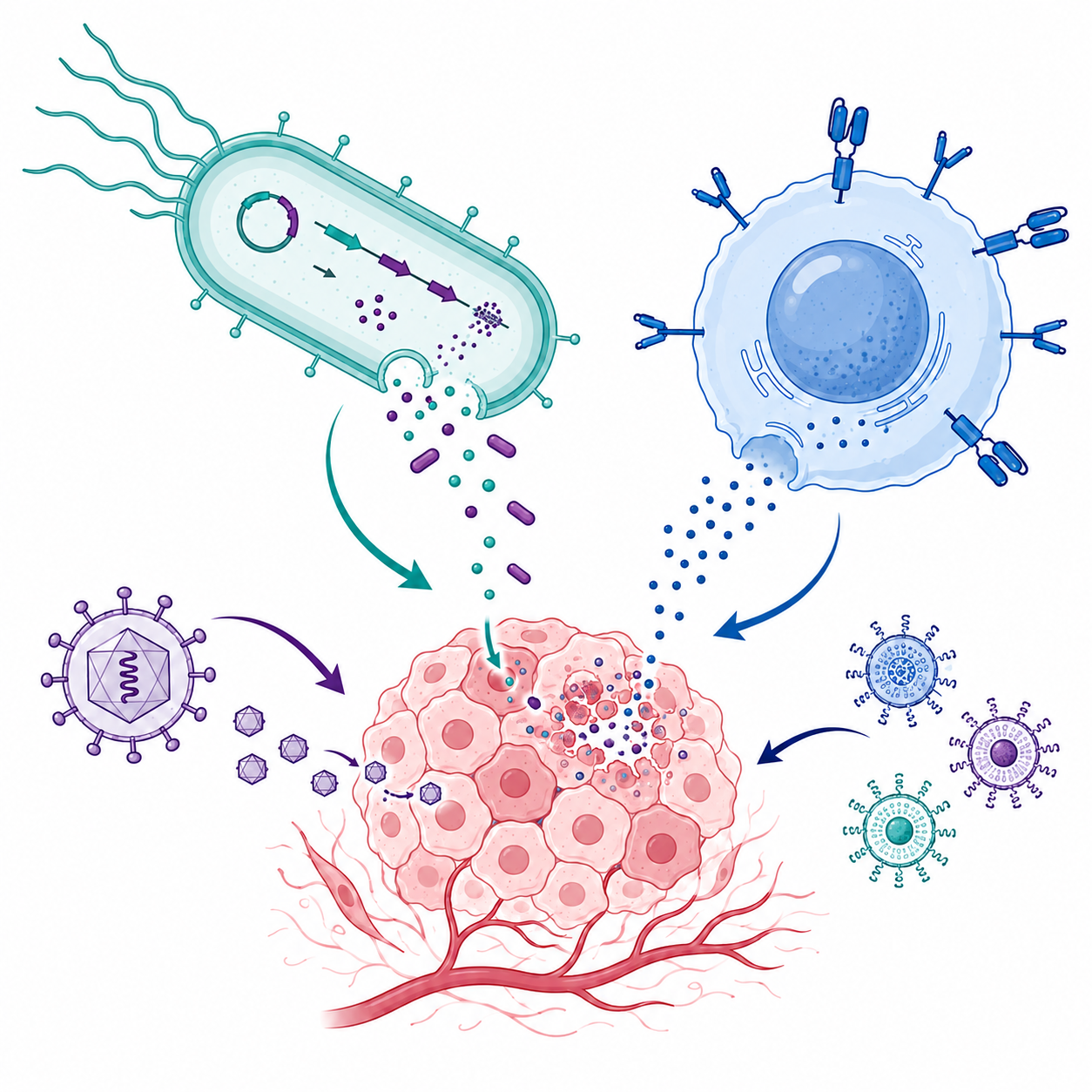
We design treatments in which bacteria perform one part of a larger therapeutic program. We have used tumor-seeking microbes to guide CAR-T cells, launch and spatially contain oncolytic viruses, and pair bacterial delivery with material coatings that improve circulation and tumor colonization. These strategies combine complementary mechanisms to create therapeutic behaviors that are difficult to achieve with any single modality.
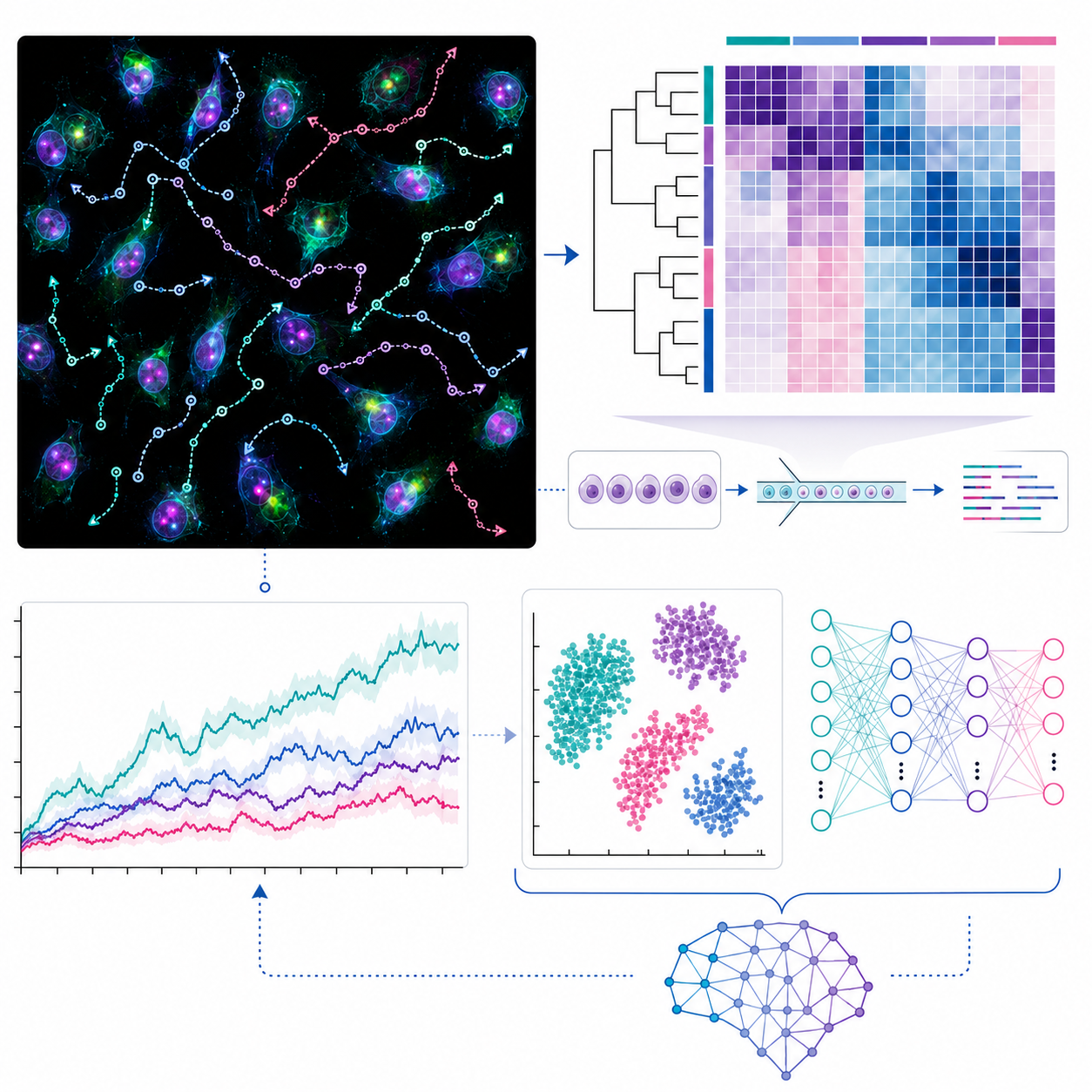
We develop quantitative tools to understand how biological systems change over time and at single-cell resolution. By combining automated time-lapse microscopy with computer vision, deep-learning, and AI approaches, we measure and analyze cellular dynamics across scales. These measurements connect single-cell behaviors to population-level dynamics and help inform the design and engineering of biological systems.
Representative publications
TED Talk · Tal Danino · Watch on TED ↗
TED-Ed · Tal Danino · Watch on TED-Ed ↗
Nature Video · 2026